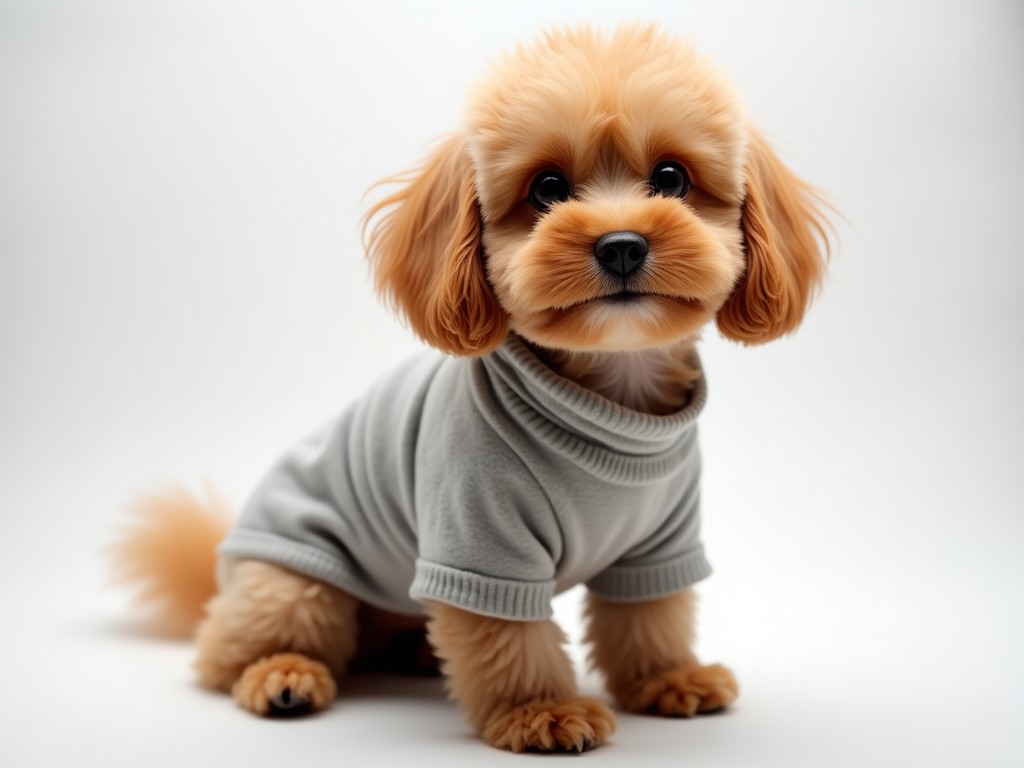
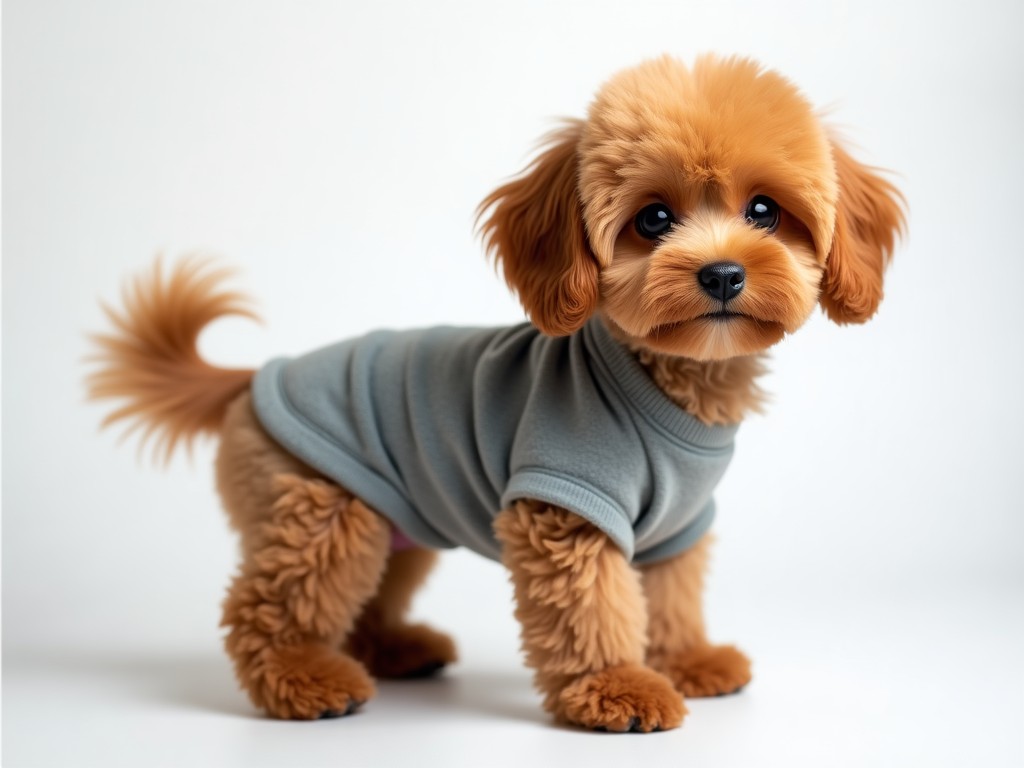
Best Price Dog Clothes Exporter
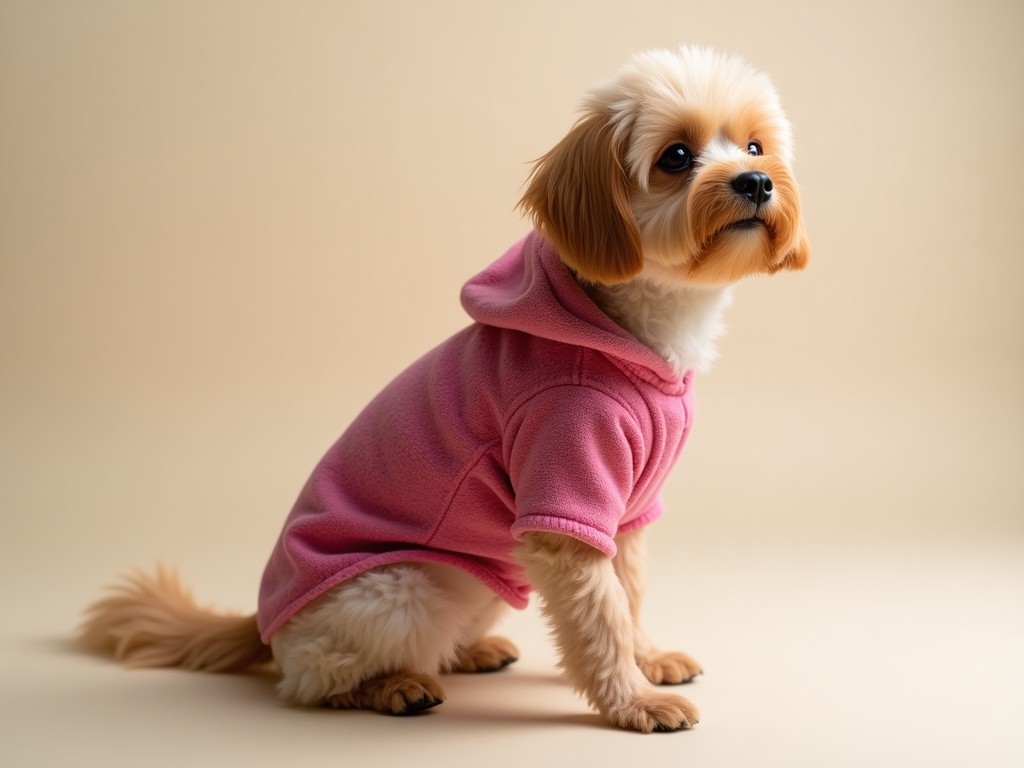
Best price dog clothes exporter (Bulk manufacturing solutions)
The global pet apparel industry has shifted from simple accessories to technical-grade gear requiring rigorous material engineering and manufacturing standards. For distributors and OEM partners, identifying the best price dog clothes exporter involves looking beyond initial unit costs to evaluate supply chain efficiency, fabric durability, and scaling consistency. High-volume production demands a balance between cost-effective sourcing and the ability to withstand the physical stresses of active use and frequent laundering.
Cost optimization in bulk production is primarily achieved through automated cutting technologies and the reduction of material waste during high-precision pattern grading. By selecting textiles with high tensile strength and tear resistance, manufacturers can offer competitive pricing without compromising the structural integrity of the garment. This technical approach ensures that the final product meets the functional requirements of various breeds while maintaining healthy margins for wholesale buyers.
Material Selection for Technical Performance
The choice of base textile determines the garment's performance across different environmental conditions. Industrial-grade dog apparel utilizes specific fabrics based on their GSM (grams per square meter), breathability ratings, and moisture-wicking capabilities. For high-activity gear, synthetic polyester blends are preferred for their rapid-drying properties, which prevent overheating and provide high abrasion resistance.
Thermal regulation is addressed through layering techniques, such as integrating high-density fleece linings that provide insulation without adding excessive bulk. Conversely, waterproof requirements necessitate laminated TPU (thermoplastic polyurethane) coatings which offer a moisture barrier while maintaining vapor permeability, ensuring the animal remains dry in inclement climates. Each material is tested for colorfastness and shrinkage to ensure consistent quality across multiple wash cycles.
| Material Type | Key Technical Properties | Durability Rating | Best Application |
|---|---|---|---|
| Cotton Jersey | Breathable, high softness | Medium | Daily casual wear |
| Polyester Mesh | Quick-dry, lightweight | High | Active sports gear |
| TPU Coated Shell | Waterproof, wind-resistant | Very High | Raincoats and winter |
| Fleece Lining | Thermal insulation | Medium | Winter protection |
Manufacturing Processes and Quality Control
Garment longevity is dictated by the construction methods employed. Professional-grade manufacturing utilizes flatlock stitching in high-friction areas to minimize skin irritation and increase the overall tensile strength of the seams. Critical-stress points, such as necklines and armholes, are reinforced with double-stitching or bartack stitches to prevent tearing during vigorous movement.
Quality control protocols in an export environment involve multiple stages from raw material inspection to final garment auditing. This includes testing seam load-bearing capacity, checking for the elasticity of elastic tape, and verifying dimensional stability after heat treatment. By implementing these standards, exporters can guarantee that every batch adheres to the technical specifications provided by the OEM buyer.
Customization and OEM Services
Large-scale distributors often require bespoke solutions to differentiate their brand in saturated markets. OEM capabilities include private labeling, custom color matching using Pantone systems, and the development of unique pattern grading to accommodate specific breed morphologies. Technical grading ensures that a design intended for a small breed is scaled accurately while maintaining the functional fit across the entire size range.
- Custom pattern development based on breed-specific measurements.
- Integration of reflective materials for high-visibility safety gear.
- Selection of specialized hardware such as heavy-duty zippers and reinforced buckles.
- Heat-transfer labeling and woven brand tag options.
Export Logistics and Pricing Structure
Global shipping requires a deep understanding of logistics and protective packaging standards. Exporters typically offer FOB (Free on Board) or CIF (Cost, Insurance, and Freight) terms, allowing buyers to manage supply chains effectively. Packaging is designed with moisture-resistant polybags and standardized corrugated boxes to prevent damage during long-haul maritime or air transit.
Frequently Asked Questions
What is the typical minimum order quantity (MOQ) for bulk orders?
MOQs vary based on the complexity of the garment and fabric availability, typically starting at 500-1000 units per style.
How is quality inspected before shipment?
We perform in-line inspections, final random production audits (FRI), and material testing to ensure all technical specifications are met.
Can custom sizes be developed for specific breeds?
Yes, our engineering team can develop custom patterns based on provided anatomical data to ensure optimal ergonomic fit.
What is the standard production lead time for export orders?
Standard production typically ranges from 30 to 60 days depending on order volume and material sourcing requirements.
MOQs vary based on the complexity of the garment and fabric availability, typically starting at 500-1000 units per style.
We perform in-line inspections, final random production audits (FRI), and material testing to ensure all technical specifications are met.
Yes, our engineering team can develop custom patterns based on provided anatomical data to ensure optimal ergonomic fit.
Standard production typically ranges from 30 to 60 days depending on order volume and material sourcing requirements.
Ready to optimize your pet apparel supply chain with technical grade manufacturing?
Request a Technical Quotation