Bow Tie Dog Collar Pattern Factory Direct
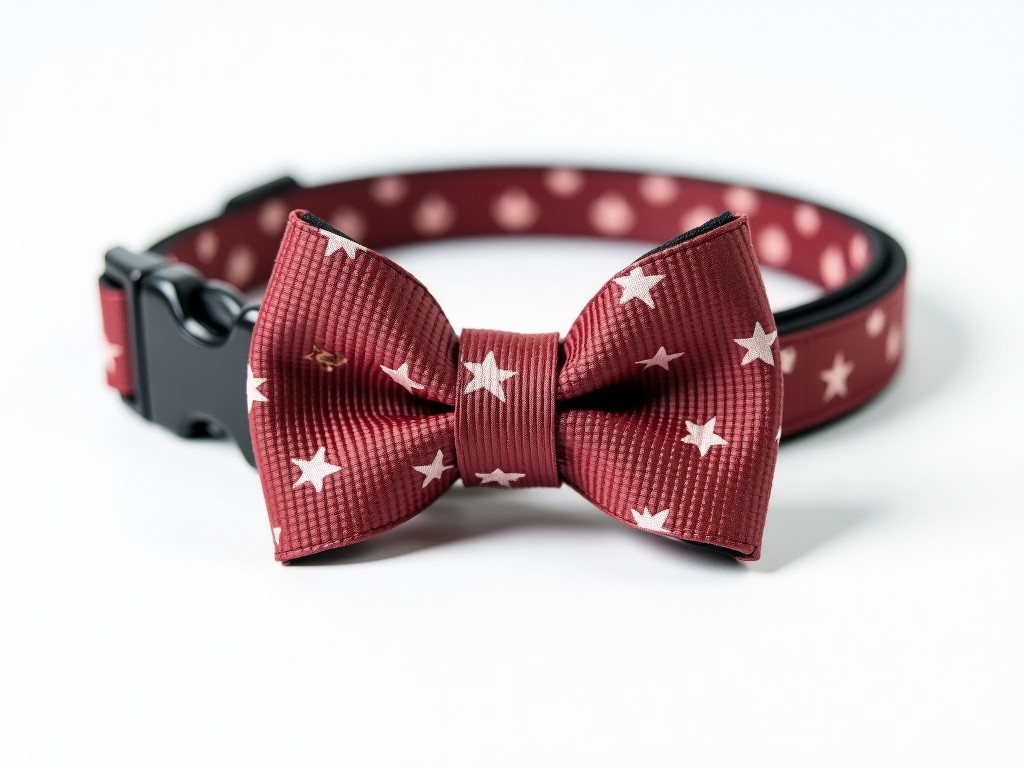
Bow tie dog collar pattern factory direct
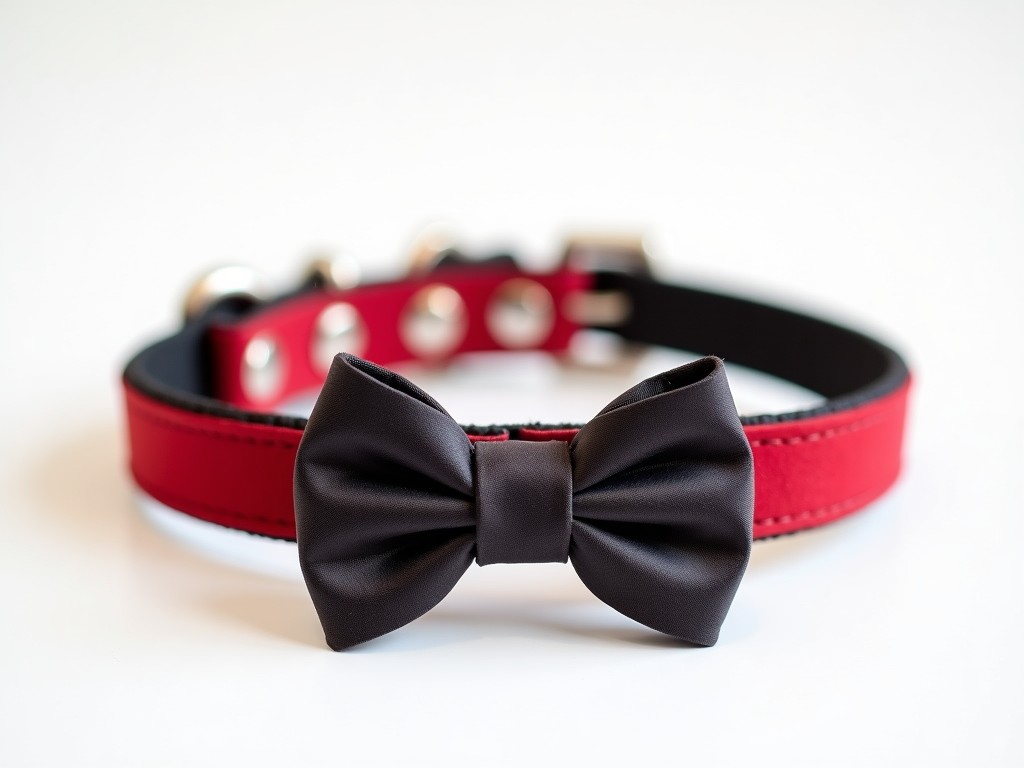
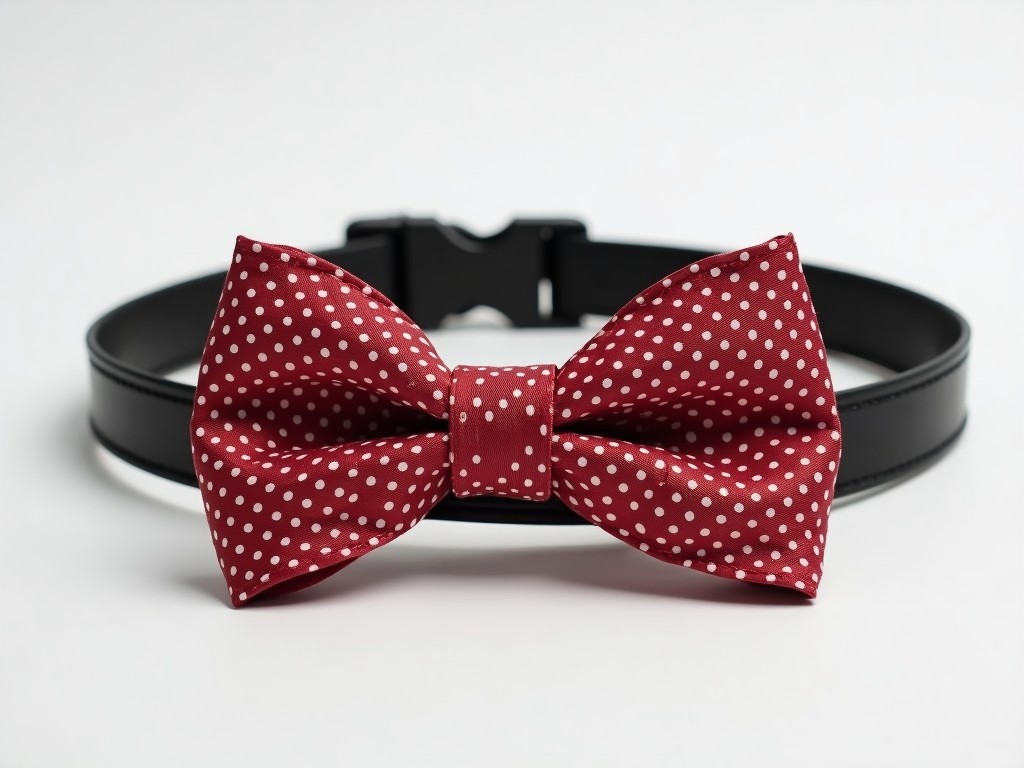
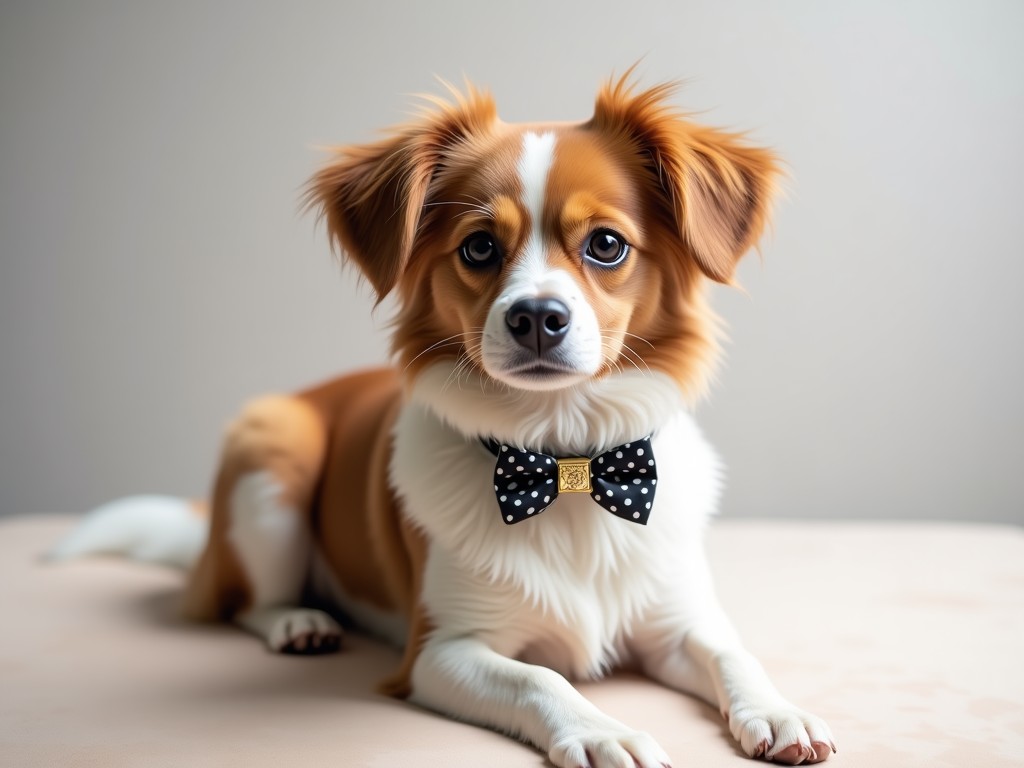
Direct-from-factory sourcing for bow tie dog collar patterns provides procurement managers with direct access to structural specifications and cost-efficiency. By bypassing intermediary distributors, OEM buyers can ensure that the structural integration of the decorative bow-tie attachment with the functional collar base meets specific durability requirements. This manufacturing process ensures that the pattern alignment remains symmetrical even under the mechanical stresses encountered during daily use by various canine breeds.
Manufacturing focus centers on the interface between high-tensile webbing and the decorative fabric components. Industrial-grade stitching is utilized to prevent the bow-tie assembly from fraying or detaching under lateral tension. Technical precision in the pattern cutting allows for scalable sizing while maintaining the required aesthetic consistency across high-volume production runs.
Technical Specifications and Engineering Standards
| Component | Material Specification | Typical Values | Application Logic |
|---|---|---|---|
| Main Webbing | High-density Nylon / Polyester | 25kg - 50kg Tensile Strength | Primary load-bearing structure |
| Hardware | Zinc Alloy / SS 304 | Corrosion-resistant (48h salt spray) | Secure attachment point |
| Bow-Tie Attachment | Reinforced Printed Fabric | 8-10 SPI Stitch Density | Aesthetic integration |
| Buckle | Heavy-duty Plastic or Metal | Quick-lock mechanism | Size adjustment interface |
Material Selection and Durability Analysis
Material selection dictates the longevity of the product in high-activity environments. Nylon webbing is frequently selected for its superior abrasion resistance and moisture properties, making it ideal for breeds exposed to outdoor elements. Conversely, the bow-tie component utilizes cotton-blend fabrics or treated polyesters to ensure that the printed pattern remains vibrant and resists fading after repeated cleaning cycles.
Structural integrity is maintained through specific reinforcement zones where the bow-tie is joined to the collar. Engineers utilize bar-tack stitching techniques to distribute stress across a wider area of the webbing, preventing tearing at the stress points. This approach ensures that the decorative element does not compromise the safety of the collar during reactive movements.
Customization Options and Pattern Engineering Logic
Customization goes beyond aesthetic choices; it involves the technical engineering of the pattern itself. Digital printing allows for complex, multi-color designs, while traditional screen printing is often utilized for high-volume orders with simpler motifs to reduce production costs. The pattern is scaled to ensure that when the bow is folded and sewn, the visual design remains centered and proportional.
- Custom pattern widths ranging from 15mm to 40mm webbing.
- Hardware finish customization including matte black, nickel plating, or brushed stainless steel.
- Size-specific pattern scaling from Small to Extra Large to accommodate varying anatomical requirements.
- Reflective strip integration for enhanced low-visibility safety.
Quality Control and Inspection Protocols
Quality assurance protocols involve a multi-stage inspection process to mitigate manufacturing defects. Each batch undergoes a tensile test to verify that the webbing and hardware assembly meets the rated load-bearing capacity. Inspectors also evaluate stitch density and ensure there are no loose threads that could lead to structural failure over time.
Color-fastness testing is performed on the bow-tie fabric to ensure that dyes do not transfer onto fur or clothing when wet. Furthermore, hardware components are checked for burrs or mechanical inconsistencies to ensure smooth operation of the buckles and D-rings.
Frequently Asked Questions
What is the typical MOQ for custom pattern orders?
The minimum order quantity (MOQ) varies based on the complexity of the pattern and the hardware selected. Typically, custom OEM orders start at 500 units per design to ensure production efficiency.
Can we provide our own technical pattern files?
Yes, we accept high-resolution vector files (AI, EPS, PDF). Our engineering team reviews files to ensure they are optimized for the cutting and printing machinery.
What is the production lead time for bulk orders?
Standard production lead times generally range from 25 to 35 days after sample approval and deposit. Large-scale orders may extend this timeline accordingly.
Request technical specifications or a formal quote for your project requirements.
Inquire for Factory Pricing