B2B Dog Bowtie Suppliers Direct Factory
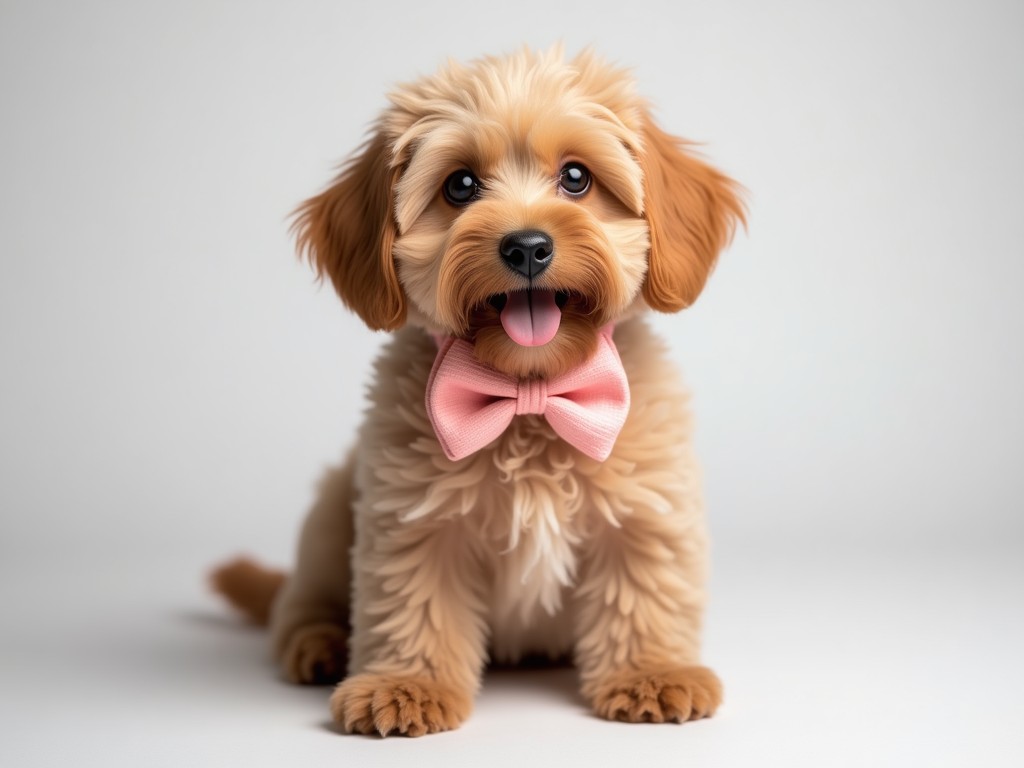
B2B Dog Bowtie Suppliers Direct Factory
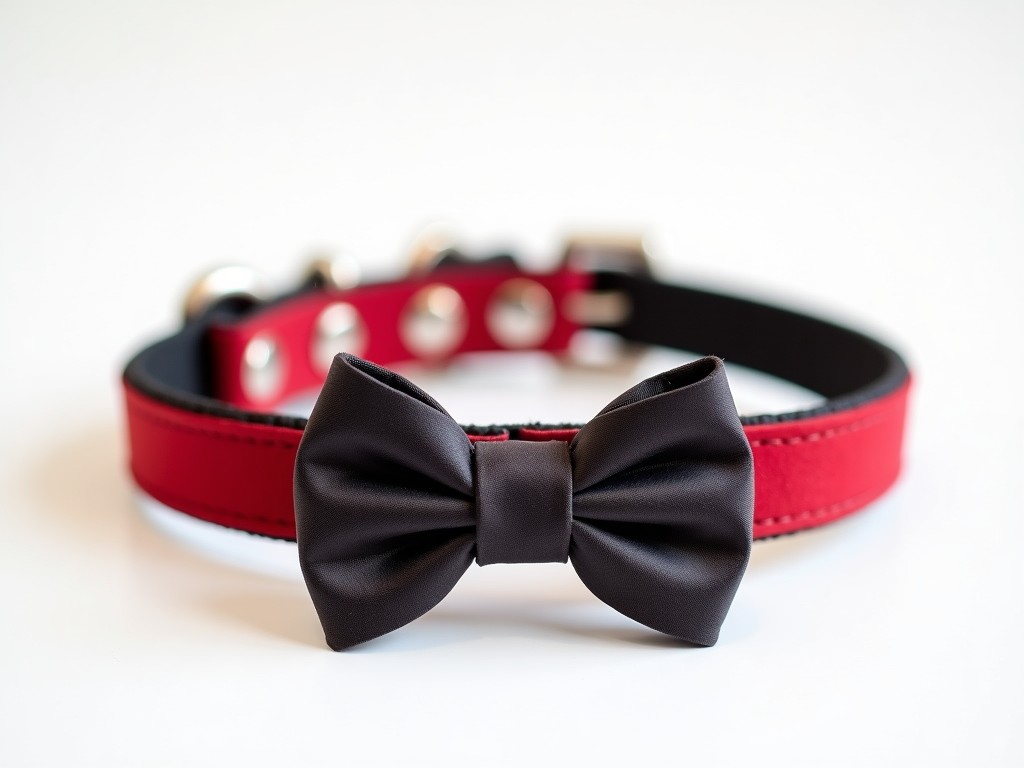
The industrial production of pet bowties requires a balance between aesthetic appeal and mechanical resilience. Unlike consumer-grade novelty items, B2B-grade bowties manufactured for scale must utilize industrial-grade textiles and reinforced hardware that can withstand the physical stresses of animal movement. Direct factory sourcing allows OEMs to specify exact technical parameters, such as fabric tensile strength and the load-bearing of the attachment mechanisms, ensuring the final product meets specific brand-level safety standards.
Engineering considerations in the design phase focus on the interface between the accessory and the pet's collar. High-quality manufacturing lines prioritize elasticatedtension connectors or quick-release Velcro clips to prevent strangulation, a critical safety factor for distributors managing liability risks in the pet retail market.
Material Specifications and Durability
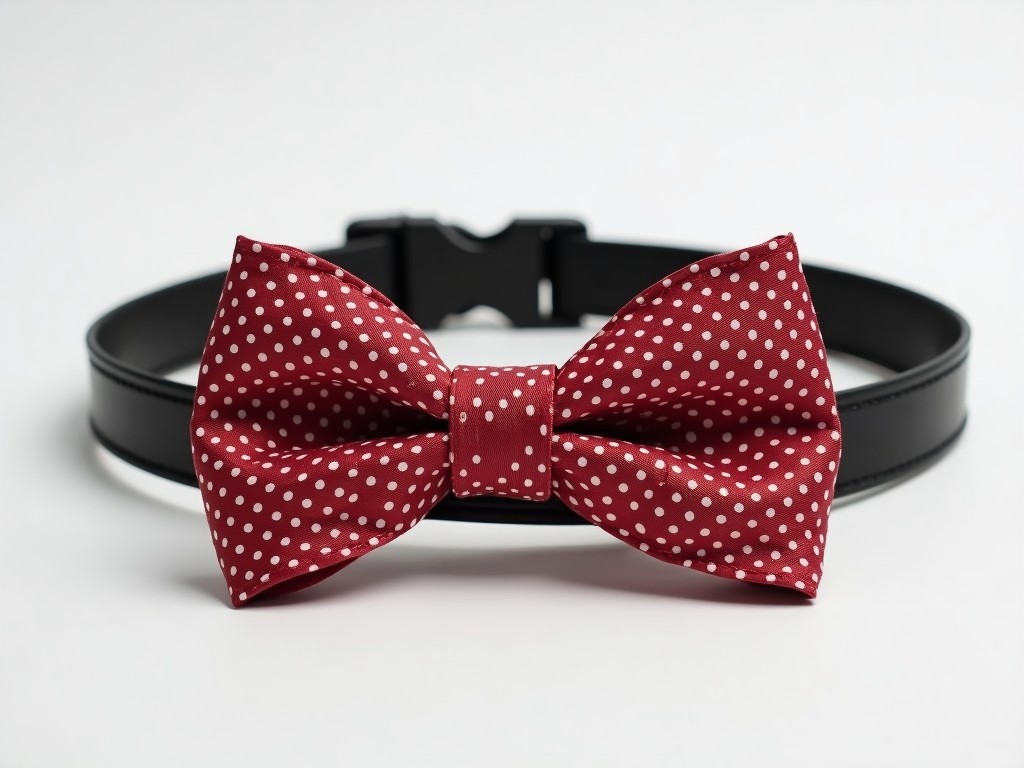
Material selection dictates the longevity and maintenance requirements of the dog bowtie. 100% cotton weaves are frequently utilized for their breathability and hypoallergenic properties, while synthetic fibers like polyester and nylon offer superior water resistance and color retention for outdoor-oriented applications. For luxury-tier branding, faux leather or silk-blend fabrics provide a premium aesthetic without the high cost volatility of natural hides.The attachment hardware is equally vital. Industrial-grade production typically employs high-density plastic snap clips or heavy-duty elastic bands that maintain their recovery after hundreds of stretch cycles. Thread selection usually involves high-tensile polyester, utilizing overlock stitching to ensure the bowtie maintains its shape without fraying during high-intensity activity.
| Material Type | Technical Characteristics | Primary Application |
|---|---|---|
| 100% Cotton Oxford | Breathable, soft texture, machine washable | Daily wear, sensitive skin |
| Polyester Blend | Water-resistant, high abrasion resistance, vibrant dyes | Outdoor events, active dogs |
| Faux Leather | Easy-wipe clean, high structural rigidity | Luxury branding, formal photography |
| Velvet/Suede | High tactile density, premium aesthetic | Winter collections, holiday events |
Manufacturing Process and Quality Control
Direct factory-level production begins with precision laser cutting to ensure dimensional accuracy across large batches. This precision is critical for maintaining uniform sizing across different dog breed categories. Following cutting, the components move to assembly stations where reinforced seams are applied to prevent the fabric from unravelling under mechanical tension.
- Pattern Alignment: Ensuring geometric prints are consistent on every unit.
- Stitch Density: Utilizing double-stitching on high-stress points.
- Hardware Testing: Checking the pull strength of clips and elasticity of bands.
- Color Fastness: Verifying that dyes do not bleed during washing or exposure.
OEM and Customization Capabilities
B2B buyers leverage factory access to align products with specific brand identities. This includes custom embroidery, digital sublimation printing for logos, and woven labels integrated directly into the bowtie structure. Factories can also scale sizing to accommodate everything from toy breeds to large working dogs, ensuring a consistent brand aesthetic across the entire product line.
Packaging is another critical variable in the OEM process. Suppliers can provide retail-ready poly-bags with custom header cards or eco-friendly cardboard packaging designed for wholesale distribution, reducing the post-production labor for the end buyer.
Frequently Asked Procurement Questions
What is the Minimum Order Quantity (MOQ) for custom designs?
MOQs vary based on material complexity and custom fabric requirements. Standard patterns often start at lower thresholds, while bespoke fabric weaves may require higher volumes to offset setup costs.
What is the typical lead time for bulk orders?
Standard production typically ranges from 30 to 45 days depending on current factory capacity and the complexity of the customization requested.
Can samples be produced before mass manufacturing?
Yes, pre-production samples are standard to verify material feel, sizing, and hardware functionality before the full production run commences.
Securing a stable supply chain requires technical transparency and reliable manufacturing. Contact our engineering team to discuss your specific specifications and volume requirements.
Request a Technical Quotation